
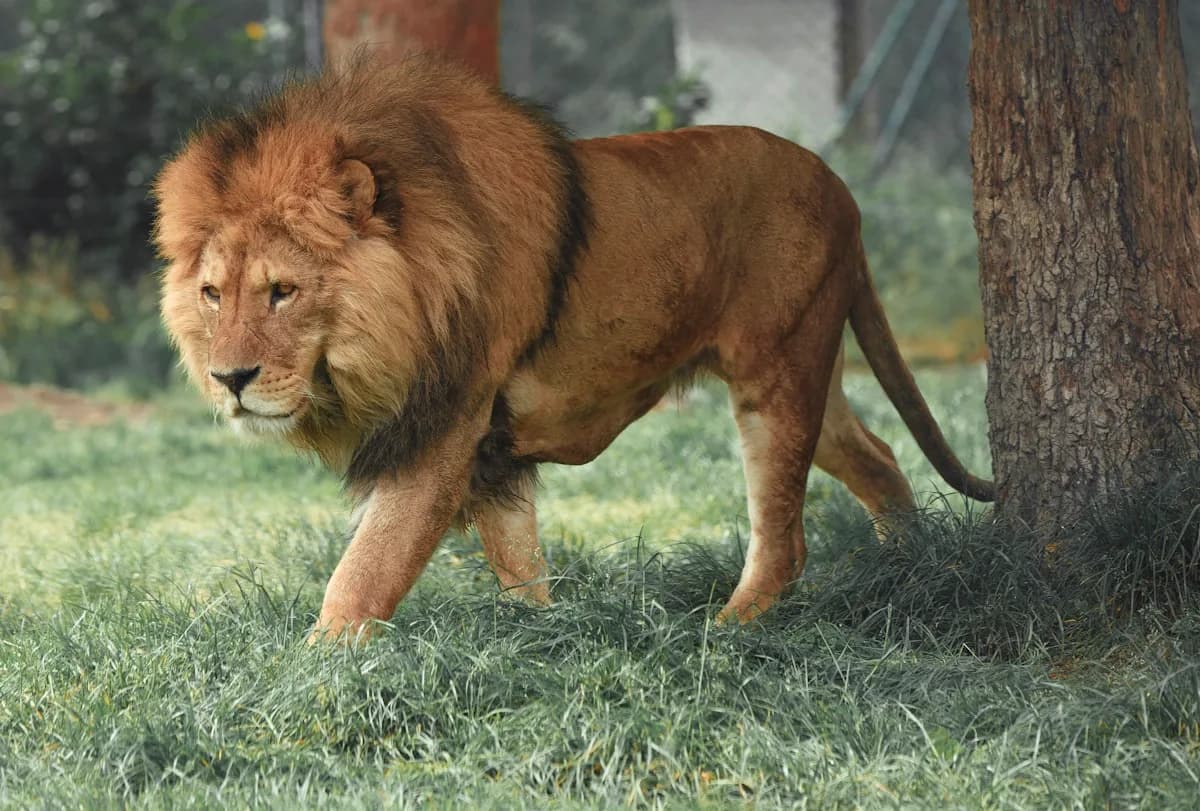
Etosha National Park
Namibia's iconic wildlife park — a vast salt pan ringed by water holes where lions, elephants, rhinos, and hundreds of species converge in the dry season.
Why Visit Etosha National Park
Etosha National Park is one of Africa's most distinctive safari experiences. At its heart lies the Etosha Pan — a vast, blinding-white salt flat covering over 4,700 square kilometres, visible from space and ancient beyond reckoning. In the dry season, the pan is dry and shimmering; during rains, it floods to become a shallow flamingo lake. But the real magic happens at the water holes that dot the park's perimeter. As the dry season progresses (May to October), the salt pan and surrounding bush dry out, and all wildlife is forced toward these permanent water sources. The result is extraordinary: a lion pride arrives to drink at dusk. Black and white rhinos follow. Elephants wade in. Giraffes splay their legs awkwardly to reach the water. You simply wait — camouflaged by your vehicle, lit by the fading light — as the parade continues through the night. Many of Etosha's camps have floodlit water holes viewable from the camp itself, meaning game viewing continues after dark without leaving the safety of the perimeter fence.
Key Highlights
Wildlife & Encounters
- Black rhinos — Etosha has one of the largest populations in the world
- Lions hunting and drinking at the water holes
- Elephants — large herds visit water holes multiple times daily
- Leopards (nocturnal, often spotted at floodlit holes)
- Oryx, springbok, and wildebeest in large herds across the pan
- Endangered black-faced impala — found almost nowhere else
Best Time to Visit
May to October for dry season and the best water hole viewing. As the Namibian bush dries out, wildlife concentrates at permanent water sources — the density and variety of species you can see from a single water hole in August is astonishing.
Quick Facts
Popular Activities
Travel Tips for Etosha National Park
- 💡Etosha is one of Africa's best self-drive destinations — rent a 4x4 in Windhoek and drive yourself
- 💡Book government camp water holes in advance for peak season (Jul–Sep)
- 💡Camp inside the park — the floodlit water holes at Okaukuejo and Halali are highlights in themselves
- 💡Sun protection is critical in Namibia — the desert sun is intense
- 💡Combine Etosha with Sossusvlei (red dunes) and Swakopmund for a complete Namibia itinerary
- 💡Most nationalities can enter Namibia visa-free for up to 90 days
Ready to Explore Etosha National Park?
Browse our Etosha National Park safari packages or tell us your dream trip and we'll build a custom itinerary.